
Celebrating My Mexican Roots and Sharing our traditions in Spain.
From Halloween costumes to colorful ofrendas, raising Mexican-American-Spanish children means celebrating different cultures while making sure our Mexican traditions are not forgotten.
If there’s one thing living in Spain has taught me, it’s that the traditions we grow up with become even more meaningful when we’re far from home.
I’m a Mexican-American mami, born and raised in Los Angeles, now raising my two children in Málaga, Spain. And while I absolutely love discovering Spanish traditions and sharing them with my kids, there’s something real special about seeing a little piece of México celebrated right here in Andalucia.
This year, Málaga is embracing one of México’s most beautiful traditions: Día de Muertos, or Day of the Dead.
And mami, this on is close to my heart.
Not just because of the colorful Catrinas, the beautiful altars, or the familiar traditions that remind me of my Mexican roots. But because it’s another opportunity to teach my children about where they come from, share our culture with the community here and keep our family history alive.
Wait, Isn’t Día de Muertos just Mexican Halloween?

I totally get it, both celebrations happen around the same time, there are skeletons everywhere and the Catrina makeup can be so stunning!
But no, Día de Muertos is NOT Mexican Halloween…
Growing up in Los Angeles, Halloween was a big deal. Costumes, trick-or-treating, pumpking patches, candy, decorated houses….all of it! And I looove Halloween, my kids do too.
But Día de Muertos has a completely different meaning.
Halloween is on October 31 and at least the way many of us celebrate it int he US, is about dressing up, having fun and enjoying everything spooky. A great excuse to throw a Halloween party, a pumpking carving party go to the latest haunted hause and have fun.
Día de Muertos, celebrated on November 1 and 2, is about remembering and honoring our loved ones who are no longer physically with us. It is a Mexican tradition with indigenous roots and centuries of cultural and religious influences. At its heart, its about family, remembrance and the belief that the people we love continue to have a place in our lives. And while death can be a difficult subject, I find something beautiful in the Mexican approach to remembering those who have passed.
We don’t just mourn them, we celebrate their lives, we remember their favorite foods, share their stories, display their portraits and create ofrendas filled with things that remind us of them.
Sometimes we laugh, sometimes we cry and sometimes…we do both.
The Meaning Behind a Día de Muertos Ofrenda

One of the most recognizable traditions of Día de Muertos is the ofrenda, a beautifully decorated altar dedicated to loved ones who have passed away. If you have seen the movie Coco, you’ve probably already seen a colorful representation of this tradition. But there is so much more meaning behind all those beautiful decorations. The photographs represent the people we’re honoring. The candles provide light, while the bright orange cempasúchil (marigold flowers) are traditionally believed to guide spirits with their scent and color. You’ll also find papel picado (pecked paper), water, traditional pan de muerto (traditional Mexican sweet bread) and sometimes favorite dishes or drinks of the poeple being remembered. And yes, Mexican food has a very special place in all of this!
What is very beautiful is that no two family altars have to look exactly alike. An ofrenda is very personal. It’s about the people, the memories and traditions that make each family unique.
For me, creating an altar is also about teaching my children who their ancestors were. I want them to look at those old family photographs and recognize more than just faces. I want them to know their stories, where they cam from, what their lives were like, how they are connected to us. Because when you’re raising children thousands of miles away from part of their family’s roots, you have to be intentional about keeping those connections alive.
Raising Mexican-American-Spanish Kids: Three Cultures, One Family
This is something I’ve become more aware of since moving to Spain. My children are growing up surrounded by Spanish culture, they go to school here, celebrate local holidays and experience traditions that are part of their dad’s upbringing in Spain. And I love that for them. But they’re also Mexican-American and that part of their identity matters just as much.
Growing up in Los Angeles, Mexican culture was everywhere. From family gatherins and Mexican food to hearing Spanish spoken around us, so many little things were simply part of everyday life. Living in Málaga is different. Yes, we speak Spanish here too but sharing a language doesn’t mean sharing all the same traditions. México and Spain each have their own beautiful cultural identities. And sometimes, when you’re living abroad, you realize that things you never had to explain back home suddenly require a little more explanation.
Why do we make an altar? Why are there skulls and skeletons? Why are we celebrating people who have died? Those conversations become opportunities to share something meaningufl with my kids.
I want them to enjoy Semana Santa, the Feria de Málaga and all the traditions that are part of growing up in Andalucia. But I also want them to know Día de Muertos, understand why we celebrate Mexican Independence Day, recognize the flavors of our Mexican dishes and feel connected to the generations of family who came before them.
Becasue they shouldn’t have to chose between their cultures, they get to grow up embracing all three. And as their mami, I want to make sure they have that opportunity.
Día de Muertos Málaga 2026: Bringing Mexican Culture to Andalucia

One of the things I appreciate most about living in Málaga is discovering how international this city has become lately. And seeing Mexican traditions celebrated here makes me especially happy. The Día de Muertos Málaga 2026 celebration brings together members of the Mexican community, artists, cultural organizations and people interested in learning more about this meaningful tradition.
Led by Mexican journalist, Maria Esther Beltran Martinez, the initiative promotes Mexican culture through traditional altars, art exhibitions and cultural round-table discussions. And what I especially apprecicate is that it’s not just about putting on a beautiful display, it’s about explaining the history, meaning and cultural importance behind Día de Muertos. Because while the colorful decorations might attract your attention, it’s the stories and traditions behind them that make this celebration so special.
What to see during Día de Muertos Málaga 2026

If you’re in Málaga and would like to experience this beautiful Mexican tradition, here are a few of the activities planned for this year’s celebration:
Traditional Mexican Ofrenda – October 29 to November 3
At the Sociedad Economica de Amigos del Pais, located in plaza de la Constitucion, visitors can discover a traditional altar honoring important cultural figures. The inauguration is scheduled for October 29 at 5:30pm.
For families, this is a lovely opportunity to introduce children to Día de Muertos and explain the meaning behind the photographs, candles, flowers and other elements of the altar.
De México a Málaga: Dialogos entre la vida y la muerta – October 30
A cultural discussion exploring the history and traditions of Día de los Muertos and the connections between México and Spain. The event is scheduled for 7pm at the Sociedad Economica de Amigos del Pais.
Miradas al Mictlan: El arte de recodar – October 31 to November 2
An art exhibition featuring works inspired by México’s traditions surrounding life, death and rememberance.
Hosted at APLAMA, the exhibition also includes an artistic altar honoring figures such as Friday Khalo, Remedios Varo and Pablo Picasso.
For the complete program, locations and any updates, visit the official website HERE.

Día de muertos Málaga 2026
Why Sharing our Mexican Culture in Spain means so much to me
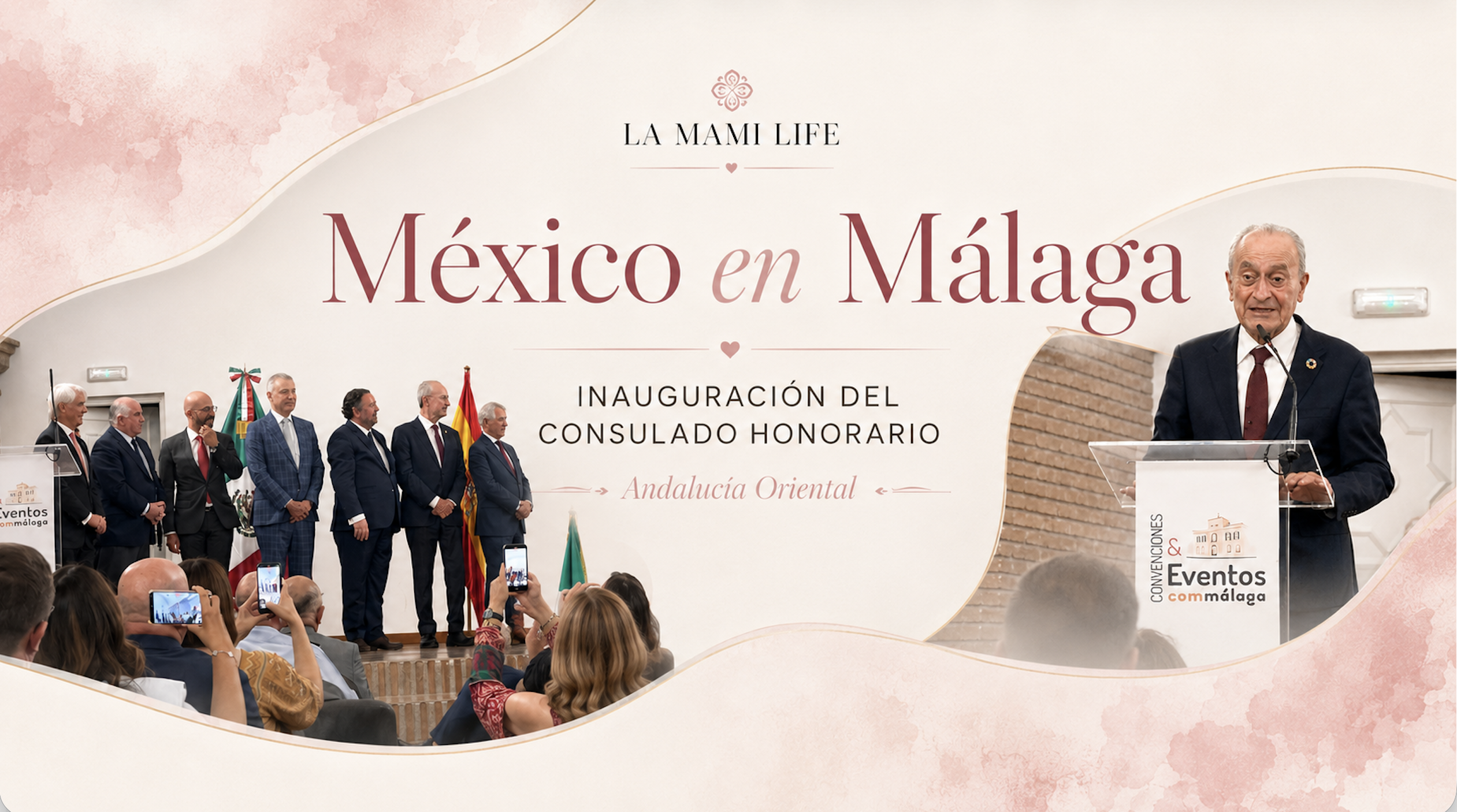
Earlier this year, I attended the inauguration of the HOnorary Consulate of México in Málaga. I remember hearing mariachi music and feeling that familiar connection to home. There’s something about hearing Mexican music in the middle of Andalucia that just hits differently when you’ve been living abroad. And events like Dia de Muertos Málaga bring back the same feeling. because when you move to another country, you don’t leave your identity behind. You bring it with you… In the way you cook, the language you speak with your children, your accent, the celebrations you introduce into your home and the stories you continue sharing, even when you’re far away from the places where those stories began.
But it’s also about sharing our culture with others. I love that my Spanish friends andneighbors can experience Mexican traditions here in Málaga. That they can learn what Dia de Muertos really means, discover the history behind La Catrina and understand why this celebration is so important to Mexican families. And I expecially love that my children get to see their Mexican heritage represented in their home in Málaga. It’s one thing for ammi to tell them about our trations, it’s another for them to see those traditions celebrated by an entire community.
Yes, we celebrate Halloween too!
Now, before anyone thinks I’m giving up Halloween…absolutely not!
We live in a multicultural hosehold and that meand we get to enjoy a little bit of everything. Halloween Costumes, pumpkin carving, candy, games, everything!
A traditional Mexican ofrenda? Yes! And that’s the beauty of raising children with different cultural backgrounds. We don’t need to choose one celebration over another. What matters to me is that my kids understand the difference. Halloween can be a fun night of dressing up and enjoying candy and games iwht friends. Día de Muertos is an opportunity to remember family, talk about our ancestors and celebrate the lives of those we’ve lost. Both can have. aplace in our home, but they each deserve to be understood and celebrated for what they are.
A little piece of México, right here in Málaga

One thing i’ve learned about mamihood abroad is that keeping our traditions alive takes effort. Back in Los Angeles, Mexican culture was part of everyday life. here in Málaga, I have to be a little more intentional about creating those experiences for my children. Sometimes that means preparing Mexican food at home. Sometimes it’s decorating an altar with family photographs. And sometimes it’s taking my kids to a cultural event where they can see, hear and experience traditions that connect them to their Mexican heritage. Because one day, they’ll be grown up, living their own lives and creating their own traditions. And I hope they’ll remember these moments, not just the colorful flowers or the Catrinas, but the stories behind the portraits, the conversations we had, the family members we remembered, and the pride of knowing that being Mexican-American and Spanish is something beautiful. Living in Spain has given our family a whole new world of traditions to embrace. And sharing my Mexican culture here has reminded me that home doesn’t have to be just one place, sometimes home is a song, a familiar dish, a family photograph or a beautiful ofrenda, thousands of miles away from Los Angeles and from México. And for this Mexican-American mami, that means everything.
Are you celebrating Día de Muertos this year?
You don’t have to have Mexican heritage to celebrate, if you are simply curious about the tradition, I encourage you to visit the celebrations in Málaga (if you happen to be here) and discover the beautiful meaning behind this special holiday. And if you’re raising multicultural children like I am, I’d love to hear how you’re keeping your family’s traditions alive.
Listen to La Mami Life podcast here!

Xoxo,
La Mami, Julie



Leave a Reply